
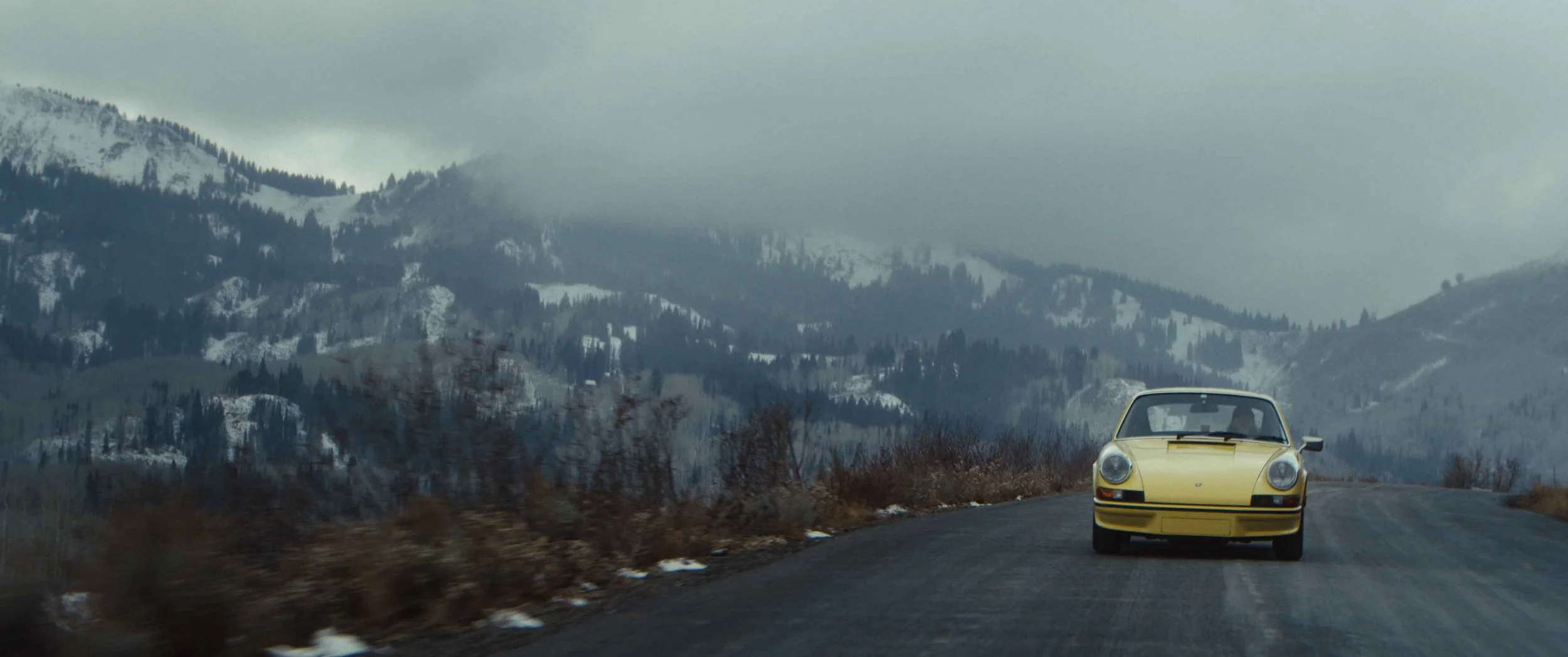
GRADIENT FILMS PRESENTS
Founder Stories
An original documentary series exploring what happens after the exit. Each film goes behind the scenes with founders who have successfully built, scaled, and sold their companies, capturing where they are now, what drives them, and what comes next.
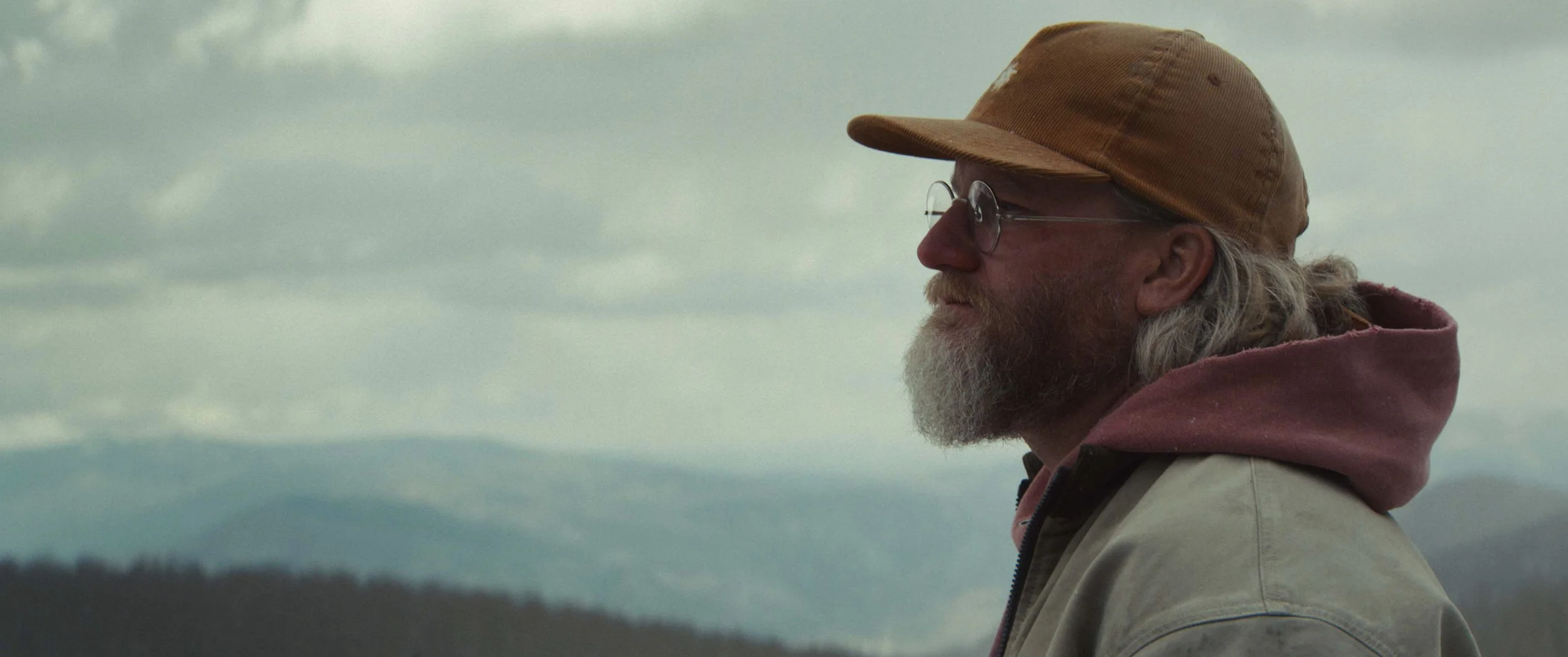
FOUNDER OF PILLPACK
TJ Parker
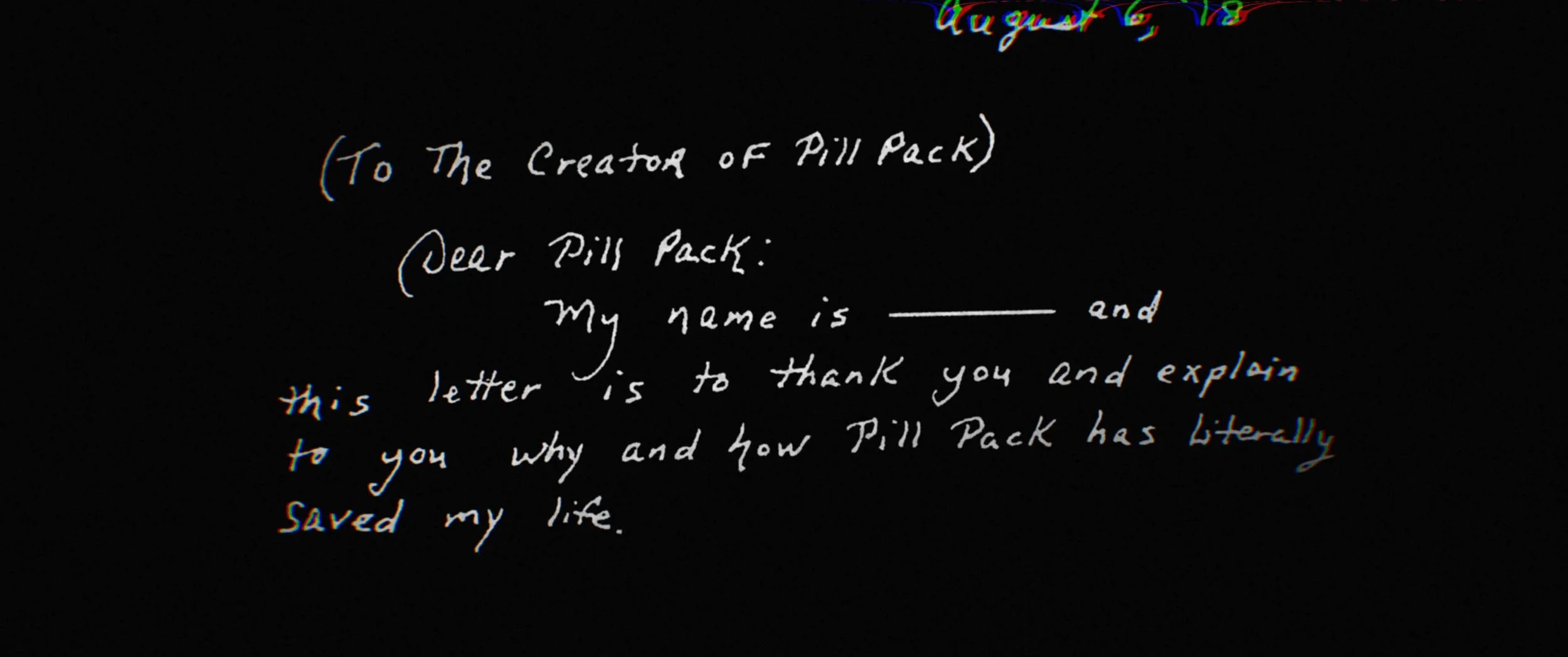
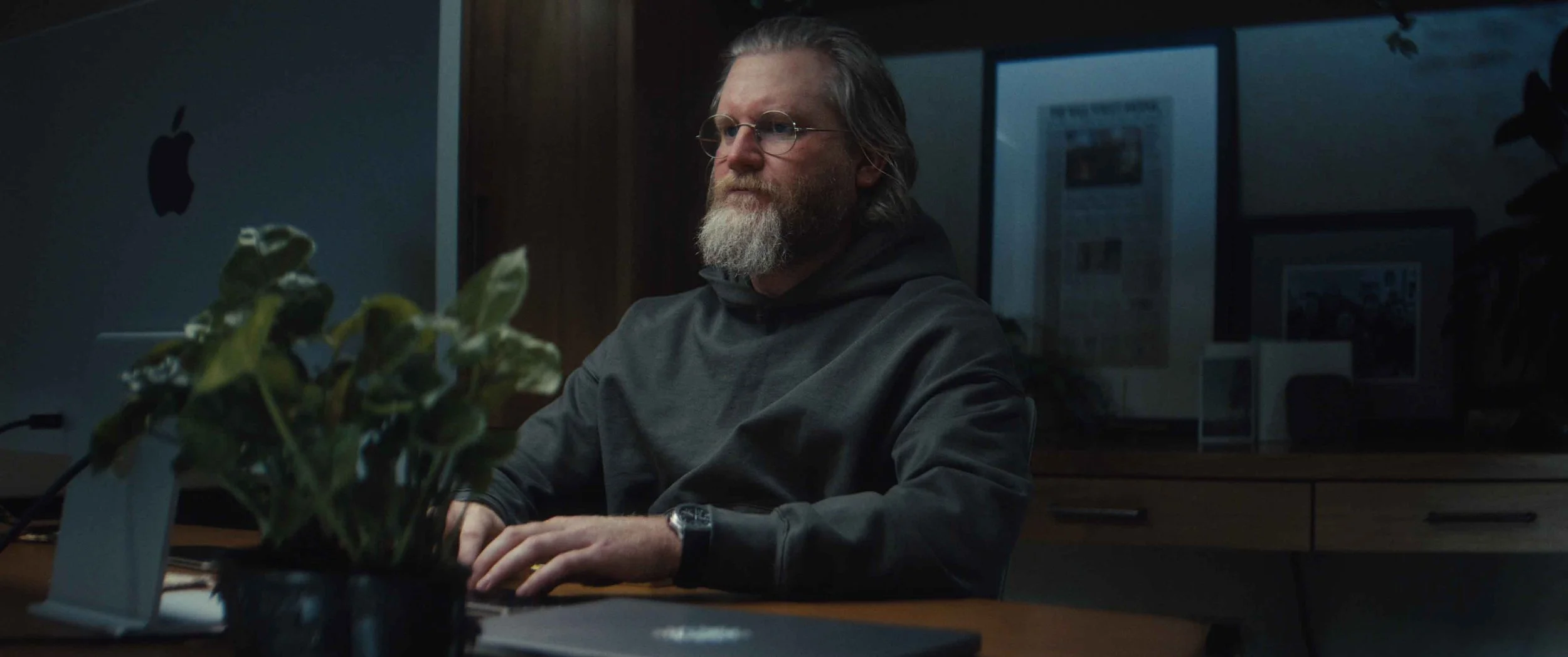
TJ Parker is the pharmacist-turned-founder behind PillPack, an e-commerce pharmacy that changed how people manage their medications. Founded in 2013, PillPack was acquired by Amazon five years later for one billion dollars.
Most founder stories end at the sale. This one begins there.
Filmed in 2023, the documentary captures a moment of transition as TJ reflects on entrepreneurship, family, identity, and what comes next after achieving the kind of success most founders spend their careers chasing.
SERIES PILOT · RUNTIME 8:00 · DOCUMENTARY SHORT FILM
Presenting Partner Sponsor the series
Series airs under your masthead
Founder Stories’ lockup
Custom title sequence
Editorial collaboration
Distribution from your own properties








Disclosure Statement: This documentary project was produced independently and not commissioned, sponsored, or affiliated with Amazon or PillPack.
-
TJ: There's a ton in common between the things I like to do personally, and the type of environment I like to be in professionally.
A part of wanting to go to pharmacy school was this sort of dream that I could go be a pharmacist three days a week and ski at Mammoth every day.
I spent about a year actually filling prescriptions in the pharmacy. That was relatively short-lived. I quit my job and PillPack happened pretty quickly after that. We didn't have any clue what we were getting ourselves into. And if we had, we would have never started the company.
There's really three outcomes for any startup. One is going public. One is getting bought and one is going bankrupt. As long as we avoid that third one, it's probably a pretty good outcome.
The goal when we started PillPack was honestly just to make it much easier for customers to take and manage their medications. It just felt like nothing was ever actually designed with the reality of the human at the end of that experience. I think I was maybe one of the few that was naive enough to think I could do something about it. I didn't have this sort of grand vision of how this was such a great financial idea, it just happened that the thing we were trying to build was pretty unique.
We existed because of that customer, and we did everything possible to make their lives better. We always picked the customer, even if that was financially disadvantageous. That was what we were trying to do.
There were a lot of moments when you're laying in bed at 11 p.m., trying to go to bed, and you realize that you've got to pull this off. You had these folks that bet on me when I was a 26-year-old kid with no track record. It felt really good to deliver on that bet.
We started a business, and five years later, we sold it to one of the biggest companies in the world for $1 billion.
It's hard to imagine a better buyer from an opportunity standpoint. They had such an amazing existing customer base with a known user experience and UI that we could build on top of. I think, to Amazon's credit, they were very supportive of both what we built and the ideas that we had of what should be built going forward for a very long time.
For me, I was happiest working in small early stage companies, working on net new things and growing really quickly. And I liked that environment more than being part of a big company.
Part of leaving Amazon was realizing that there will always be a place for new companies and new entrants, but that was a super hard decision. It's a decision I think about a lot because of the scale of the platform, the opportunity to impact customers' lives, but it felt like it was the right time.
Dylan: Olive, your hot chocolate.
TJ: I was pretty happy to have a breather, to be able to focus exclusively on my family.
Kirsten: Pre-acquisition, we definitely had no work-life boundaries in our relationship.
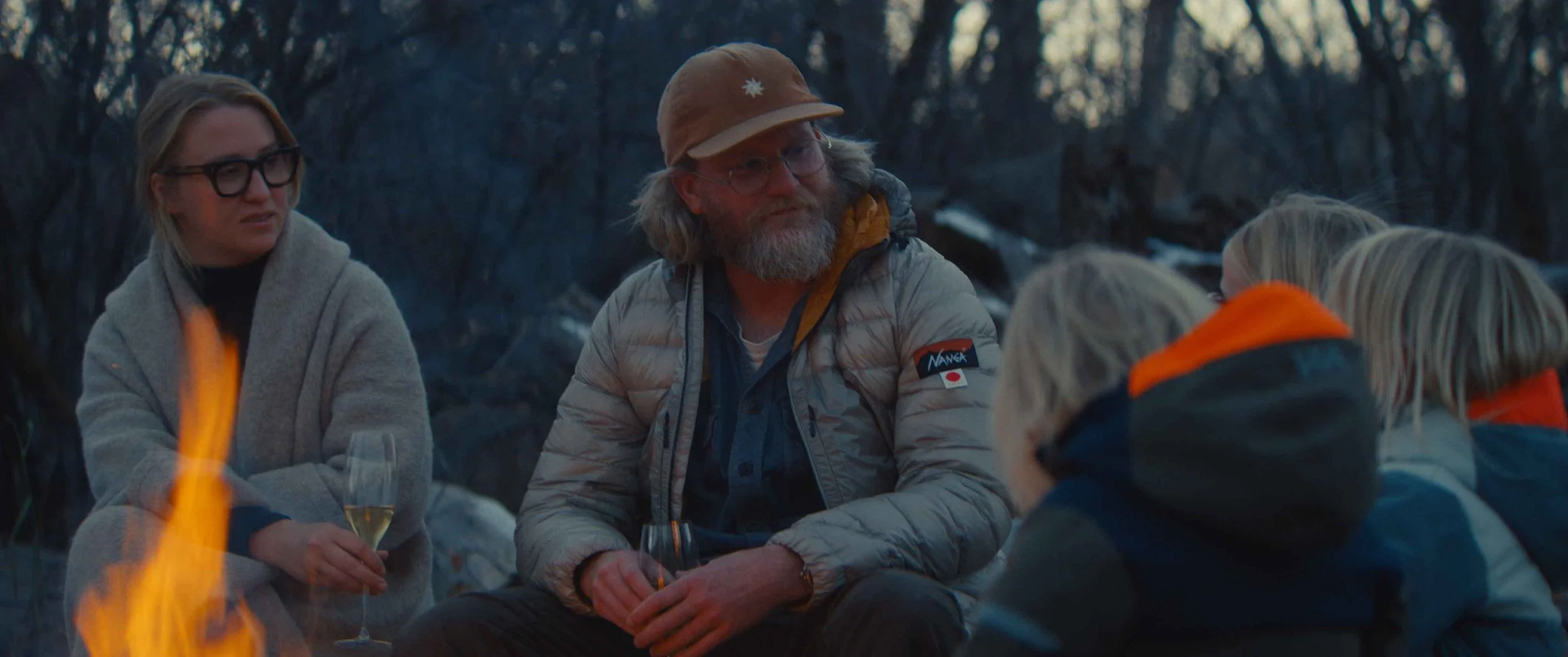
TJ: It was hard to parse what was family life and what was building the company at that point. They were so enmeshed. I had this business that also really needed me, and thousands of people that were relying on me doing my job. I don't think we could have ever achieved what we've achieved as a family now if Kirsten hadn't been so supportive of my ambitions and my pursuits. It was really a team effort.
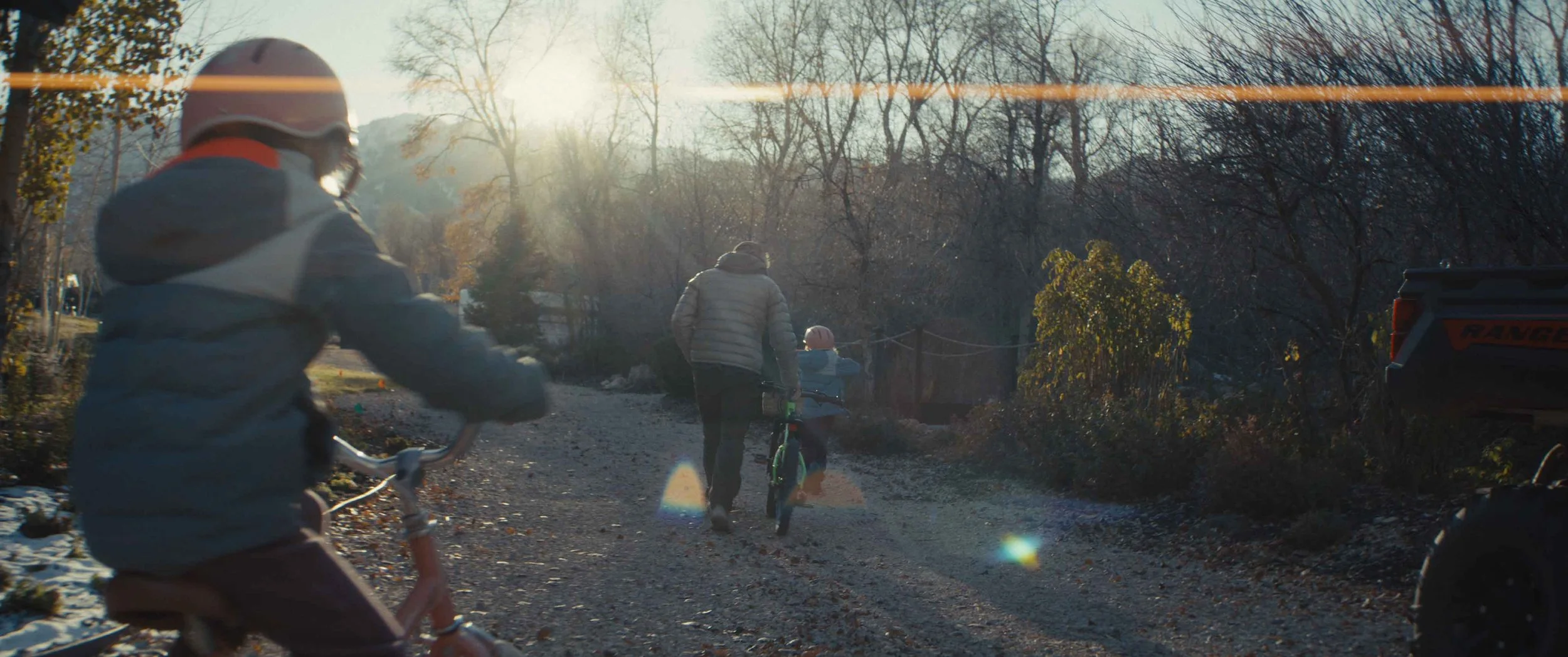
Kirsten: We have a lot of family time together now, and we're able to travel a lot, and he loves to bring them skiing and take them on hikes. He's just such a present dad. It was definitely so worth all of those sacrifices early on.
TJ: I've always wanted to live in a ski town for literally as long as I can remember, probably since I was a 10 or 12 year old kid.
Park City is one of those places where the kids can really be kids. I want them to be able to love life and be outside and interacting with nature. The amount of freedom that I had as an eight-year-old or a ten-year-old to go explore and build, I think I credit a lot of my success to date to having that environment as a kid.
Kirsten: After you build such a big, successful company, it's kind of like, well, where do I go from here? He didn't know exactly what he wanted to do next, but he knew he wanted to do something. Being in retirement for the rest of his life definitely was not an option.
TJ: I can't help myself. I'm just predisposed to wanting to build stuff.
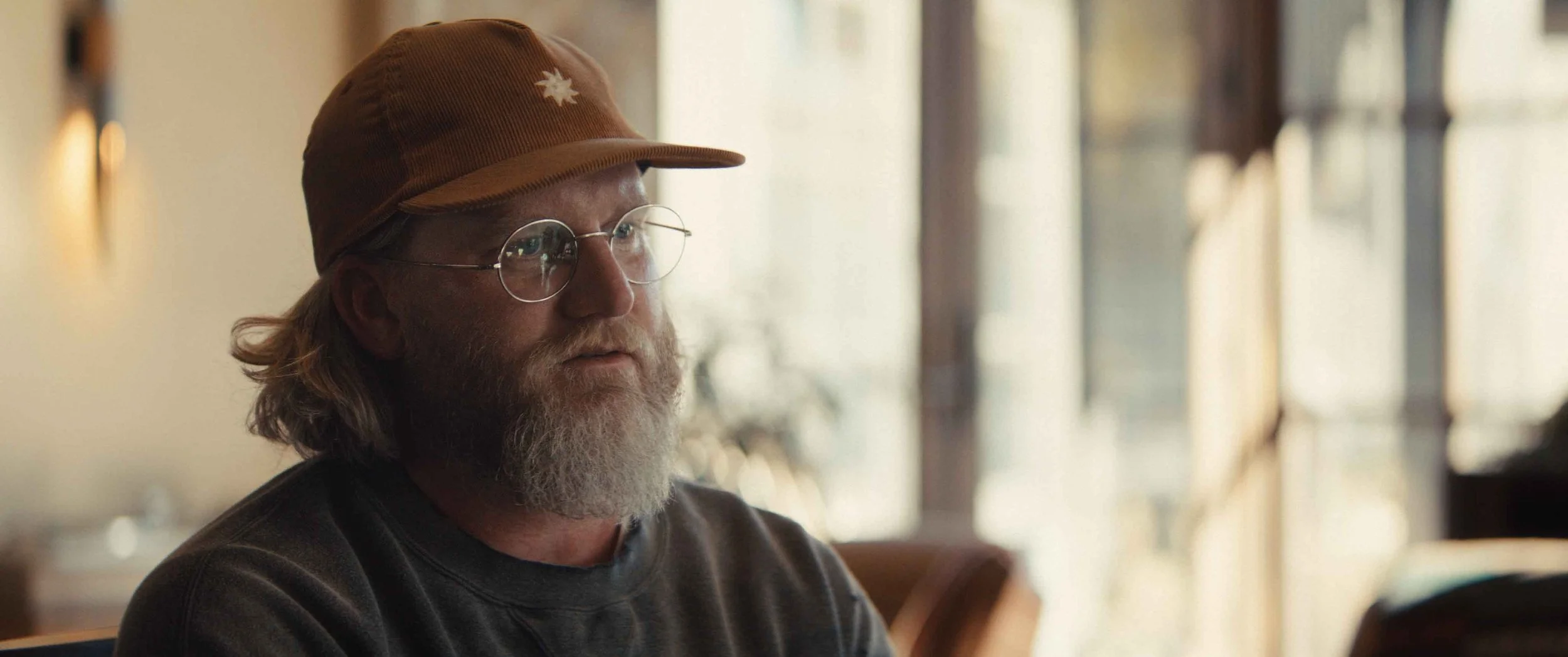
I'm working on things that are all local here in Park City. The first is Lazy Sun. We're working to make clothing and apparel for customers, kind of technical forward, well-designed clothes. It's scratching an itch that I've always been interested in. It's so fun to be able to work on something like that with friends that have wanted to do that for a long time. It's this unique opportunity to try to go build something that we've all talked about for 15 odd years.
The second business is called Warehouse. This was an idea that I had with a couple of folks that I met right when I moved to Park City. We all had cars and had nowhere to keep them, and decided it'd be more fun to try to pull together a social club and storage business in town. It's really fun to help build and be part of that community.
And the last one is the farm on our property and the adjacent property.
Kirsten: It was always my dream to build a farm, where we can provide produce for the local community. I've been able to set up ten different beehives. We'll be able to graze almost all 12 acres.
TJ: This started almost exclusively as Kirsten's project, and I've gotten more and more excited about it and more and more into it, especially the cows. I really like the cows a lot.
Kirsten: I think that really where he is happiest is finding a problem and trying to fix it.
TJ: I felt like the most value I could add to the world right now was working with other founders, helping them build their thing, both helping them with capital, because I think as a founder, that's one of the primary things you need to start a company, but then also helping them as they work through the process of founding a company, all the way through to scaling and selling that company. I think venture gave me the ability to continue to participate in that ecosystem.
I would hope that PillPack was the first in a series of things I can look back on that were built that I'm super proud of. It doesn't necessarily mean that they need to be huge companies, or be venture-backed, or be crazy scale. It's more that I build things with people that I like, that I'm proud of the things that we built and put into the world. I'm grateful to be in the position that I'm in to be able to do that.